

The following information is to be used as a guide and at the discretion of the end-user and should not replace a doctor’s opinion.
OVERVIEW
Hantavirus is a serious but rare disease. The current outbreak is linked to a single cruise ship. Both the WHO and South Africa’s NICD confirm that the risk to the general South African public remains low, and there is no community spread in the country. You do not need to panic — but you do need to be informed.
WHAT IS HANTAVIRUS?
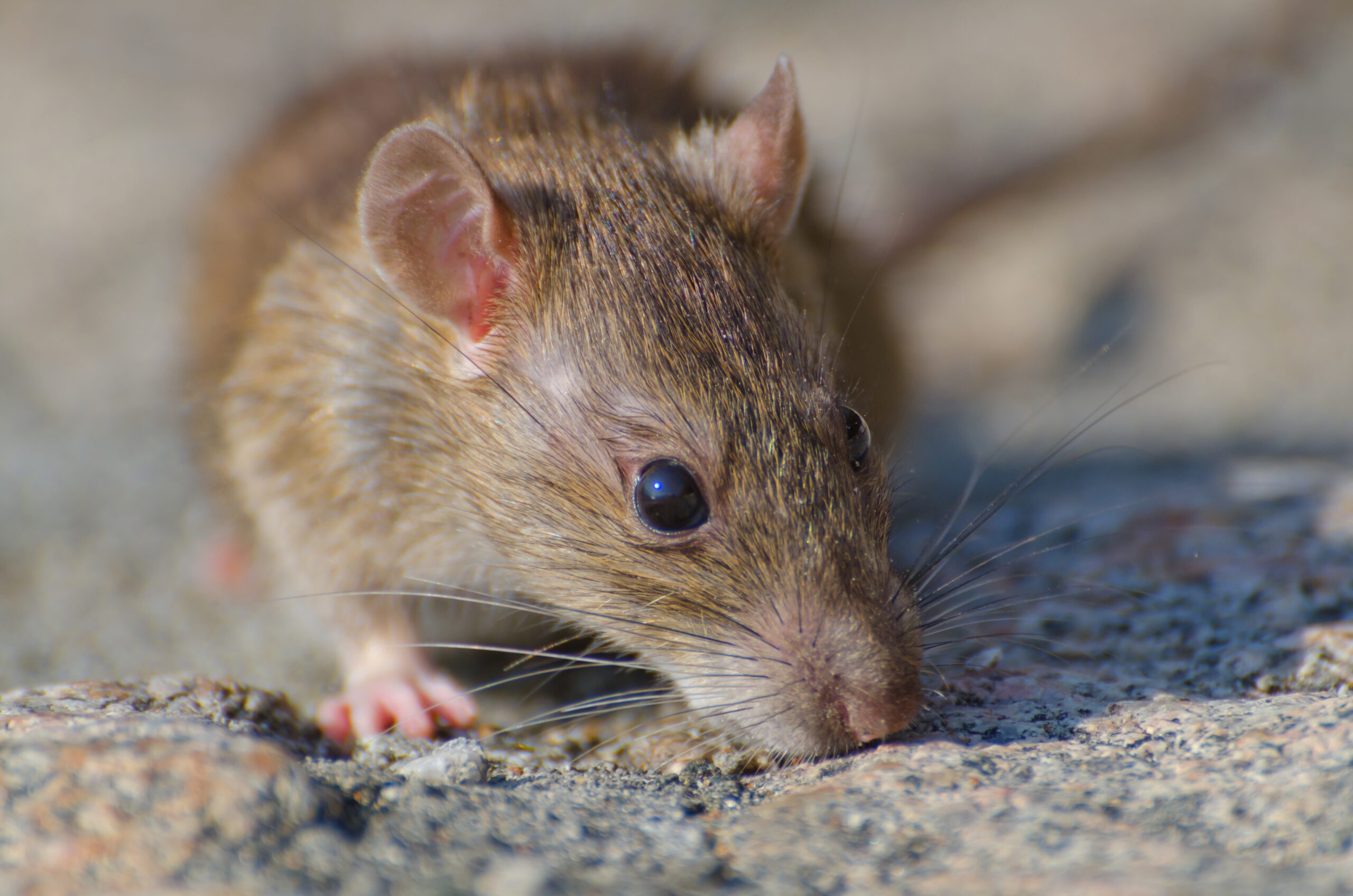
Hantavirus is a family of viruses carried by wild rodents, most commonly mice and rats. These viruses have been known to science for decades, and they do not spread the way flu or COVID do. In most cases, a person can only catch hantavirus by coming into direct contact with infected rodent droppings, urine, or saliva, and not by being near another sick person.
According to the World Health Organisation (WHO), hantaviruses belong to the family Hantaviridae. Each strain of hantavirus is associated with a specific rodent species. Because these rodents live in different parts of the world, different strains cause illness in different regions.
Two main diseases
Depending on where in the world you are exposed, hantavirus can cause one of two serious illnesses:.
- HPS (Hantavirus Pulmonary Syndrome): Affects the lungs. Found mainly in the Americas. Case fatality rate up to 50%.
- HFRS (Haemorrhagic Fever with Renal Syndrome): Affects the kidneys. Found mainly in Europe & Asia. Fatality rate 1–15%.
South Africa is not an endemic country for hantavirus. The NICD (National Institute for Communicable Diseases) confirms that hantavirus does not naturally circulate in our local rodent populations in the same way it does in South America, and there is no evidence that local rodent species carry the severe respiratory strain (Andes virus) linked to the current outbreak.
HOW DOES HANTAVIRUS SPREAD?
The primary way hantavirus reaches humans is through rodents. When an infected rodent sheds the virus in its droppings, urine, or saliva, and a person breathes in contaminated dust or touches contaminated surfaces and then touches their mouth or nose, infection can occur.
The WHO identifies three main routes of exposure:
- Breathing in dust particles from dried rodent droppings or urine (the most common route)
- Direct contact with contaminated materials, followed by touching your face
- Rodent bites or scratches (this is rare)
Hantavirus is not spread through the air the way flu or COVID is. It does not spread through casual contact like shaking hands, sharing a lift, or sitting near someone in a restaurant.
The important exception: Andes virus
Most hantavirus strains cannot pass from one person to another. Andes virus, found in South America, is the only known exception. Even then, person-to-person spread is uncommon and typically requires close, prolonged contact with someone who is already showing symptoms. According to the CDC (Centres for Disease Control), this has included physical contact, spending extended time in an enclosed space, and exposure to a sick person’s saliva or respiratory secretions (like kissing or sharing utensils with a symptomatic person).
These are some of the most common misconceptions surrounding hantavirus:
WHAT ARE THE SYMPTOMS OF HANTAVIRUS?
Hantavirus symptoms typically appear between 1 and 5 weeks after exposure. The early signs are easy to confuse with flu, which is why it is important to mention any rodent exposure or recent relevant travel to your doctor.
THE 2026 OUTBREAK: WHAT HAPPENED?
In May 2026, headlines around the world were dominated by a hantavirus outbreak linked to the Dutch cruise ship MV Hondius:
The WHO’s working hypothesis is that passengers were most likely first exposed to the virus on land in South America, before boarding the ship. Some person-to-person spread may then have occurred onboard in the close quarters of the vessel.
SHOULD SOUTH AFRICANS BE WORRIED?
The short answer, according to every major health authority, is no. Here is what the experts say:
LOW: WHO’s assessed global risk level for the general public
ZERO: Secondary (community) cases confirmed in South Africa
97: South African contacts being monitored by health authorities
South Africa’s NICD has stated clearly: “For an average South African, the risk remains very low. The current identified cases are linked to a specific exposure history associated with the cruise ship outbreak and it is not community spread within the South African community.”
Africa CDC has similarly stated that the outbreak appears confined to the cruise ship with no evidence of transmission within African countries.
The WHO has also made it clear that this situation is not comparable to COVID-19. Hantavirus does not spread easily between people, it does not transmit through casual everyday contact, and the chain of transmission in this outbreak is fully traceable to a single vessel.
South Africa does have hantavirus on its list of notifiable medical conditions (Category 1), which means any suspected case must be reported to health authorities within 24 hours. Our surveillance systems are active and functioning.
HOW TO PROTECT YOURSELF AND YOUR FAMILY
Because hantavirus is primarily spread through contact with infected rodents, prevention is straightforward and practical. The WHO and PAHO recommend the following measures:
FURTHER READING
Visit these sites to learn more: